
Request A Free Estimate
Roof Flashing Repair
Flashing may seem like a small component of your roofing system, but it plays a major role in diverting water away from vulnerable areas like chimneys, skylights, roof valleys, and wall intersections. When flashing is loose, corroded, cracked, or improperly sealed, leaks can develop quickly and lead to costly structural repairs. Understanding what roof flashing is, how it works, and when it needs professional attention can save homeowners thousands of dollars and preserve the life of the entire roof. Roof flashing repair can be one of the simplest ways of protecting your home from water damage.
What Roof Flashing Does for Your Home
Roof flashing is typically made of metal, usually aluminum, galvanized steel, or copper, though some homes may also use rubber or plastic flashing for specific areas. Its purpose is to create a watertight barrier at points where the roof meets a vertical surface or where two slopes intersect. Without flashing, water would find its way into seams, gaps, and penetrations, soaking the underlayment, damaging the roof deck, and entering the interior of the home.
Flashing is strategically installed in areas that naturally collect water. For example, the base of a chimney is a high-risk spot for leaks because water pools at its edges. Flashing is layered and sealed around the chimney to guide water back down the shingles and into the gutters. Roof valleys, which channel significant volumes of rainwater, also rely on flashing to prevent moisture from seeping beneath the roofing material. Wherever there is potential for water intrusion, flashing serves as the final line of defense.

$1000OFF
Full Roof Replacement
Call Today For An Estimate
*Restrictions Apply. Price quoted by contractor at the time of the estimate reflects the applied discounts and specials. Price written on contract and agreed to by customer is final, Additions to the contracted job and estimate, such as additional wood needed for example will be added to the contract end final price.
Common Causes of Flashing Damage
Even the highest-quality flashing materials can deteriorate over time. Exposure to harsh weather conditions, including rain, wind, snow, extreme heat, and freeze-thaw cycles, can cause the flashing to warp or corrode. Sealants can dry out and crack, allowing water to sneak underneath the metal. Storms can loosen flashing or tear it away entirely, leaving gaps that go unnoticed until leaks appear inside the home.
In some cases, the problem begins with improper installation. Flashing requires precise layering, correct fastening, and professional sealing. If a contractor cuts corners or uses the wrong materials, the flashing may fail prematurely. Homeowners often discover issues during a heavy storm or after noticing moisture stains on ceilings or walls.
Animal activity can also damage flashing. Birds or squirrels may pry up loosened sections, creating new entry points for water. Roofing work performed near flashing, such as installing new shingles or adding a satellite dish, can disturb the material if not handled carefully.

Signs You Need Roof Flashing Repair
Roof flashing problems aren’t always obvious from the ground, which is why professional inspections are so valuable. However, there are a number of warning signs homeowners can watch for.
Indoor water stains are often the first indication of a flashing issue. If you notice discoloration on ceilings, bubbling paint, or damp patches around skylights or chimneys, flashing may be to blame. You may also see signs of moisture in the attic, including mold growth, rotting wood, or wet insulation.
From the exterior, visible rust or corrosion on the flashing suggests that the material is beginning to fail. Gaps between the flashing and roofing materials, missing sections, or lifted edges are also clear indicators that repairs are needed. In some cases, flashing may still appear intact, but dried or cracked sealant can leave the area vulnerable to leaks. If your roof is older or has been through recent storms, it’s a good idea to schedule an inspection even if you don’t see obvious damage.
Why Timely Roof Flashing Repair Matters
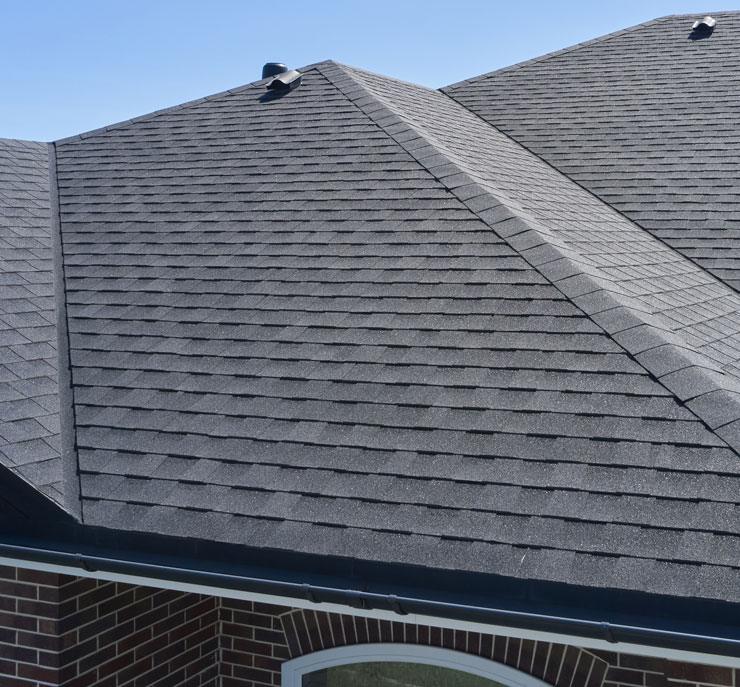
Delaying flashing repair almost always leads to bigger problems. Once water begins to infiltrate the roof structure, it can travel along beams, joists, and insulation, creating hidden damage long before it becomes visible. This moisture can weaken structural components, foster mold growth, and deteriorate drywall. Over time, what starts as a minor flashing issue can escalate into a large-scale roof repair or even require a full roof replacement.
Timely roof flashing repair also helps preserve your home’s energy efficiency. Moisture infiltration can compromise insulation, leading to increased heating and cooling costs. Roof leaks can also invite pests like insects or rodents that are drawn to warm, damp areas.
Financially, prompt flashing repairs are far more cost-effective than dealing with major water damage. A small repair today can prevent extensive damage that could cost thousands of dollars in the future.
What Professional Roof Flashing Repair Involves
A roofing professional, like our experts at Becker’s, will start by thoroughly inspecting the affected areas to identify the source of the leak. Once the problem area is located, the damaged flashing is either repaired or removed entirely and replaced with new material. This typically involves lifting surrounding shingles, installing properly sized flashing, securing it with the correct fasteners, and sealing it with high-quality sealants to ensure a watertight bond.
For chimney flashing, roofers often install step flashing and counter flashing, a layered system that ensures long-lasting protection. In roof valleys, a continuous piece of metal valley flashing is laid and sealed correctly to handle heavy water flow. Skylights require precision-fit flashing kits designed for each specific model to ensure compatibility and protection.
Professional roofers also take the time to ensure nearby shingles, underlayment, and sealants are in good condition. Addressing these supporting components prevents repeat issues and extends the life of the repair. DIY flashing repair is not recommended because small errors, such as improper sealing or incorrect flashing placement, can easily lead to more severe leaks.
Preventing Future Flashing Issues
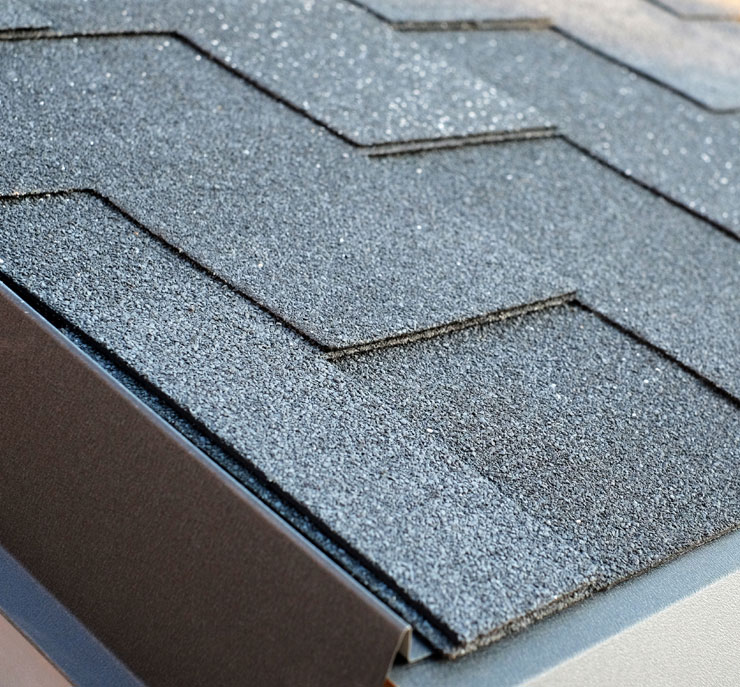
Routine roof maintenance is the best way to prevent flashing problems from developing. An annual roof inspection allows professionals to catch early signs of deterioration before they cause damage. Keeping gutters clean also prevents water from backing up and pooling around flashing areas.
If your home experiences severe storms, it’s smart to schedule a post-storm inspection. High winds can loosen flashing even if you don’t immediately notice visible damage. When planning home improvement projects that require roof access, ensure contractors take proper care around flashing to avoid accidental damage.
Using high-quality materials is another key factor. Premium flashing materials like copper offer exceptional durability and resistance to corrosion. While they may cost more upfront, their lifespan and performance often make them a smart long-term investment.
Contact Becker’s for Trusted Roof Flashing Repair
If you’ve noticed water stains, dampness around chimneys or skylights, or any signs of roof damage, now is the time to take action. Professional roof flashing repair is essential to protecting your home from leaks and preventing costly water damage. Becker’s is the local company homeowners rely on for high-quality roof inspections, flashing repair, and comprehensive roofing services. Contact Becker’s today for a roof flashing repair quote and protect your home before small issues become major problems.

GET YOUR FREE ESTIMATE TODAY!
Our Licensed and Insured Exterior and Interior Contractors Are Ready To Help.
